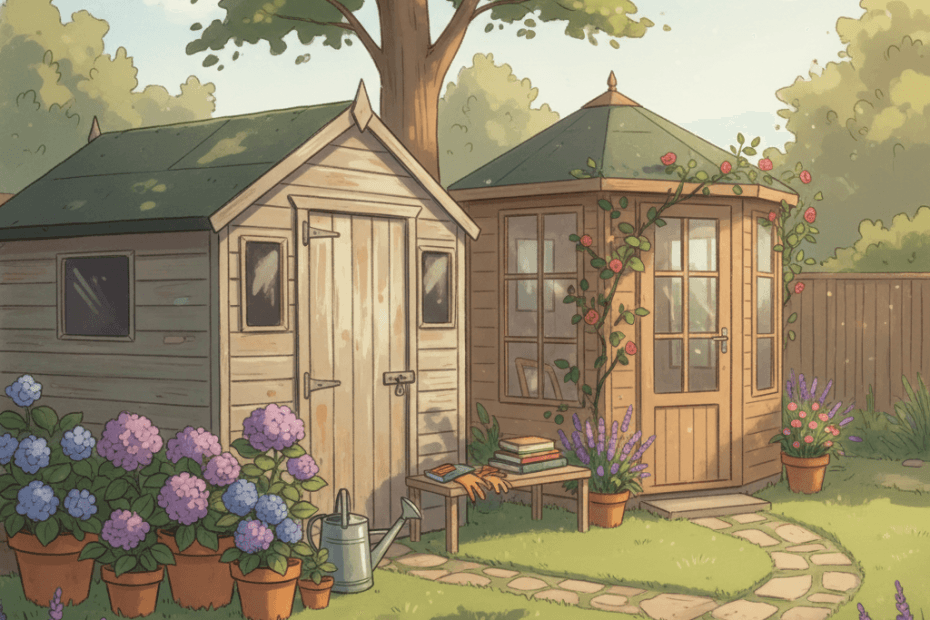
Waltons is a UK garden building retailer selling sheds, summerhouses, log cabins, playhouses, garden storage, greenhouses and insulated garden rooms. It is aimed at shoppers who want a practical outdoor building without turning the whole purchase into a timber-based personality test.
The short version: Waltons looks worth considering if you want a broad UK range of garden buildings, clear delivery information and the option to compare everything from budget shed storage to larger garden rooms in one place. It is less likely to suit anyone who wants a fully bespoke, locally built structure with every detail managed on site. Most Waltons buildings are still proper purchases that need measuring, access planning and a realistic conversation with your own patience.
What does Waltons sell?
The core range is garden buildings. Waltons lists wooden sheds, metal sheds, plastic sheds, summerhouses, log cabins, playhouses, greenhouses, garden storage and garden rooms. The site also sells accessories such as bases, shelving, treatment, roofing and security items, which matters because a shed is rarely just a shed. It is a small project wearing a roof.
Waltons describes itself as a long-running garden building retailer, and the site is set up around practical browsing: size, material, roof style, building type, price and delivery choices. That makes it useful if you already know the rough footprint you need, but still want to compare whether a pent shed, apex shed, metal store, summerhouse or log cabin is the saner option.
Pricing ranges from lower-cost storage sheds through to much larger cabins and insulated garden rooms. Treat any live price as exactly that: live. Garden building prices can move with sales, size, treatment, roofing, base choices, installation options and delivery area.
Who is Waltons best for?
Waltons is best for UK shoppers who want a ready-made garden building rather than a fully bespoke build. It suits the classic jobs: replacing a tired shed, adding storage for tools and bikes, putting a summerhouse at the end of the garden, or comparing garden rooms without immediately inviting three contractors round for tea and measuring tapes.
It may also work well for buyers who like to browse by dimensions. If you know you can only fit a 6 x 4 shed, or that an 8 x 6 gives you enough room to move without conducting interpretive dance around a lawnmower, the category filters are useful. The same applies to shoppers choosing between overlap, shiplap, tongue-and-groove, metal and plastic options.
If you are comparing home and garden retailers more broadly, Gruntled’s The Range review is useful for general garden and DIY shopping, while the Gardening Direct review sits closer to plants and garden refreshes. The Robert Dyas review is also worth a look for smaller household and garden kit.
What looks good?
The main strength is range. Waltons covers many of the common garden-building routes in one place, so you can compare a simple tool shed with a summerhouse, greenhouse or larger garden room without bouncing between unrelated retailers. That is useful when your original plan, “just a small shed”, starts growing suspiciously close to “outdoor office with opinions”.
The site also gives practical buying cues. Product pages and buying guides tend to focus on size, construction type, treatment, roofing, base needs and assembly. Those are the boring details that decide whether a garden building is still making you happy six months later, so boring is meant here as praise.
Delivery information is another plus. Waltons publishes guidance around pick-a-day delivery, vehicle access and how garden buildings are unloaded. For bulky flat-pack buildings, that is not small print to skip. A successful shed delivery depends on more than someone being home; access, kerbs, narrow roads, parking and the route from drop-off point to build site all matter.
What should you check before ordering?
Start with the base. A shed or summerhouse needs a firm, level base. If the base is wrong, the building can twist, doors can misbehave and your future self may say unprintable things while holding a spirit level. Read the base guidance for the exact building and decide whether you need a timber, plastic, concrete or other prepared base before delivery day.
Then check dimensions properly. Look at external dimensions, internal space, eaves height, ridge height, door size and roof overhang. Planning rules can matter for larger garden buildings, especially close to boundaries, in front gardens, or where height becomes an issue. Piglington’s measuring advice is dull but correct: measure the space, measure the route, then measure the thing you forgot to measure.
Delivery and installation deserve a careful read. Waltons says garden buildings are typically delivered as DIY kits, and its delivery pages explain unloading and vehicle requirements. If you are paying for installation, check what is and is not included, whether the base must be ready, how much clear working space is needed, and what happens if the installer cannot access the site.
Finally, look at treatment and maintenance. Some timber buildings arrive with a basic dip treatment, while others may be pressure treated or need additional preservative after installation. Read the product page and care instructions before assuming your new shed can simply sit outside forever being noble.
Any drawbacks?
The obvious drawback is that garden buildings are never as effortless as the product photo suggests. Even a good kit still needs delivery access, storage space before assembly, a suitable base, weather windows and at least one person who reads instructions before blaming the hinges.
Waltons also may not be the right choice if you want a completely custom local build, unusual dimensions, premium workshop-grade construction or someone to manage the whole job from survey to final sweep-up. For those cases, a specialist local installer or bespoke garden room company may be more appropriate, though usually at a higher price.
Another watch-out is comparing specifications. Shed retailers often use terms like overlap, shiplap, tongue-and-groove, dip-treated and pressure-treated, and those words matter. Do not compare two sheds by footprint and price alone. Wall thickness, floor type, roof covering, framing and treatment can change the value of the whole purchase.
Gruntled verdict
Waltons looks like a solid option for UK shoppers who want to compare sheds, summerhouses, log cabins, greenhouses and garden rooms from a broad garden-building retailer. The range is wide, the site is practical, and the delivery guidance is worth reading before you commit to a bulky outdoor purchase.
Our practical verdict: worth a closer look if you want a ready-made garden building and are prepared to do the unglamorous checks around size, access, base, treatment and installation. Choose by specification rather than just price, read the live delivery and returns information, and leave enough time for the building to be delivered, assembled and weather-ready. Piglington approves of a good shed; Piglington does not approve of discovering the gate is too narrow after the lorry arrives.