Visit the Banjo Robinson website
Banjo Robinson is a children’s letter subscription built around a globe-trotting magical cat. Instead of another app, box of plastic bits or screen-based activity, children receive real post, read a letter, do activities and can write back. For families trying to make writing feel less like homework and more like a tiny adventure, that is a promising start.
The idea is especially charming because it makes the letterbox part of the experience. Piglington is broadly in favour of any household object that can produce excitement without needing to be charged overnight.
What Banjo Robinson offers
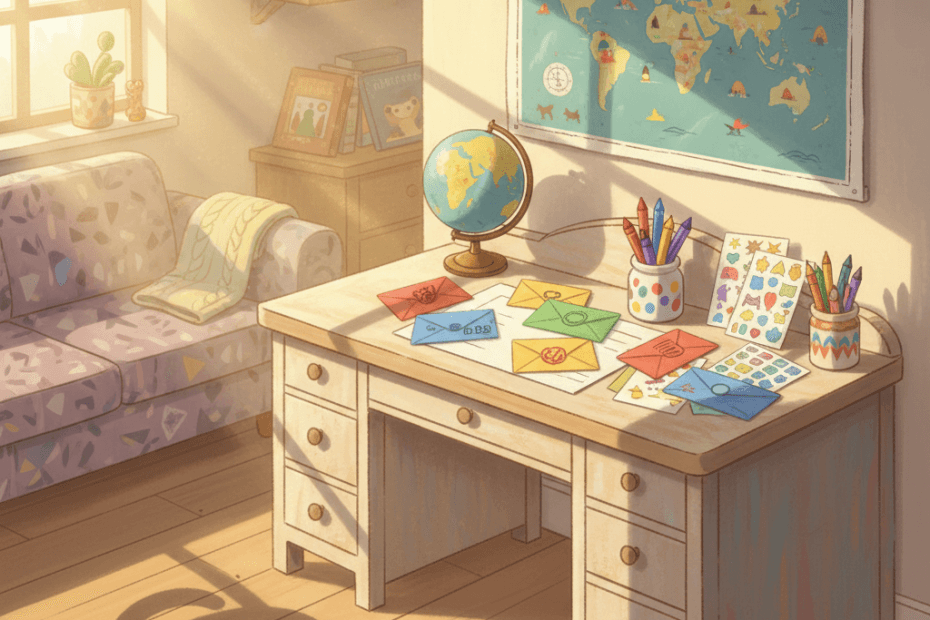
Banjo Robinson sends children letters and activity packs themed around different countries. The brand says packs can include things like a travelogue, creative activities, a country guide, reply materials, colouring, stickers, a recipe and map-style content, with the first letter also introducing a world map poster.
The core promise is screen-free reading and writing practice with a bit of make-believe. Banjo writes from around the world, children reply, and the parent or carer helps keep the magic moving behind the scenes. The brand also says the experience is written by children’s authors and is aligned with much of the KS1 English curriculum.
Who it suits
Banjo Robinson looks best suited to younger primary-age children who like stories, animals, post, maps or small rituals. It may be particularly useful for families who want handwriting practice to feel warmer and less worksheet-shaped.
It could also work well as a gift subscription from grandparents, godparents or relatives who want something more memorable than another toy. If you are browsing children’s presents more generally, Gruntled has also reviewed Hamleys, The Entertainer and Waterstones.
What to check before subscribing
Before ordering, check the current price, billing frequency, age guidance, shipping details, cancellation terms and what is included in the first pack versus later packs. Subscription gifts can be lovely, but only when the grown-up paying for them knows exactly how often the bill and the post will appear.
It is also worth thinking honestly about your child’s temperament. Some children will adore the magic and want to reply immediately. Others may enjoy the first letter, then need adult nudges to keep going. That is not necessarily a flaw, but it does affect value.
Where it may disappoint
Banjo Robinson is not the cheapest way to keep a child busy for half an hour. Its value comes from anticipation, personal-feeling post, writing motivation and the ongoing story. If your child strongly prefers building toys, screens, sports kit or instant activities, the slow charm of letters may not land.
There is also some parental involvement baked in. The child may receive the magic, but an adult still needs to manage replies, timing and expectations. If your family diary is already doing cartwheels down a hill, check whether you want a recurring activity rather than a one-off gift.
Gruntled verdict
Banjo Robinson looks like a thoughtful, distinctive option for children who enjoy stories and imaginative play, and for adults who want to encourage reading and writing without making it feel too schoolish. The real-post element gives it a nice bit of ceremony, which is increasingly rare in a world where most surprises arrive as notifications.
The sensible move is to check the latest subscription details, match it to the child’s age and attention span, and start with realistic expectations. For the right child, Banjo Robinson could be a small monthly event: part literacy practice, part geography nibble, part “there is a cat in the postal system and apparently we are all fine with this”.