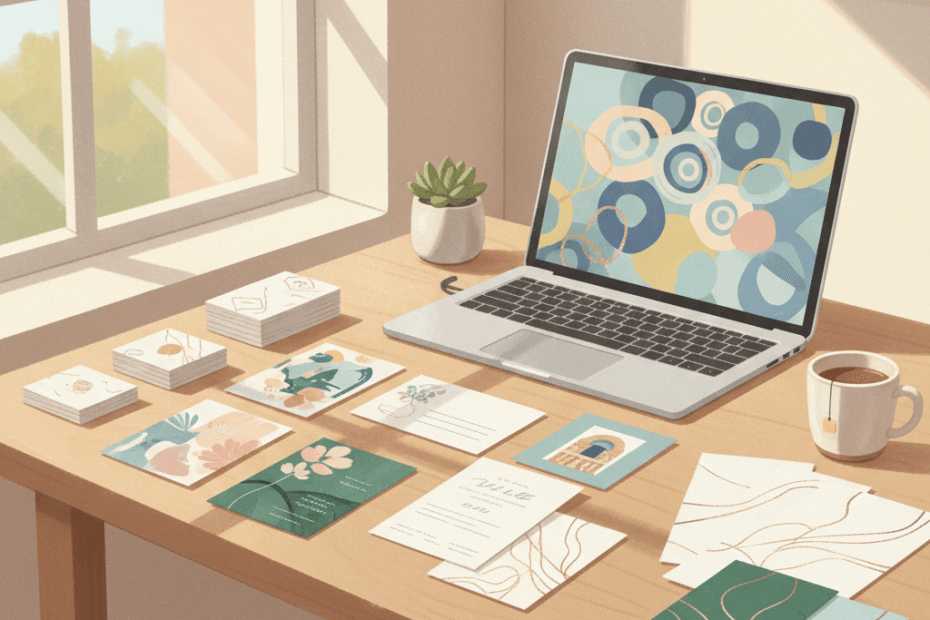
If you need business cards, postcards, flyers or invitations that look more “properly polished brand” than “hurried office printer compromise”, MOO is one of those names that tends to pop up very quickly. It sits in the premium-leaning online print space rather than the bargain-basement end of the spectrum, which means the real question is not whether it is the absolute cheapest place to print something. It is whether the extra style, finish options and general sense of design confidence make it worth the spend.
This is not a hands-on order test and we have not placed a MOO order ourselves for this piece. Think of it as a desk-based shopper review: what the service appears to offer, who it may suit best, what looks reassuring, and what you should still check before uploading a logo and emotionally committing to 500 business cards.
On that basis, MOO looks like a strong option for UK freelancers, small businesses, event planners and side-hustlers who care about presentation and want print that feels a bit more elevated than standard template churn. Piglington’s view: if first impressions matter to your work, MOO looks well worth a closer look.
What MOO appears to offer
MOO is built around custom print for people who want their brand to look smart in real life, not just on a screen. Business cards are clearly a flagship category, but the range stretches much further than that: postcards, invitations, flyers, stickers, labels, brochures, menus, greeting-style cards and other marketing materials all sit within the wider offer.
The business card range in particular looks unusually deep. MOO offers different sizes, paper types and more premium finishes than most casual shoppers will probably expect, including options such as square cards, mini cards, thick stocks and shinier or more tactile finishes. There is also a free sample pack, which is a genuinely useful touch when you are trying to decide whether “premium” means beautifully weighty or just beautifully expensive.
The site also pushes templates, online design tools and a more done-for-you business service layer. That makes MOO feel friendly both to confident designers and to people whose branding process currently consists of saying “can you make the logo a bit less tragic” in a shared Google Doc.
Who it may suit best
MOO looks strongest for anyone who wants printed materials to do more than simply exist. If you are a consultant, photographer, designer, therapist, estate agent, wedding supplier, café owner, agency founder or generally a person whose work benefits from looking pulled together, the service makes obvious sense.
It may also suit people planning events, launches or mailers where print needs to feel special rather than merely functional. Invitations, postcards and marketing pieces appear to get the same design-forward treatment as the core business-card products, which is handy if you want one print supplier for several jobs.
It may be less ideal if your main priority is the lowest possible price per unit on a huge, utilitarian print run. MOO’s appeal seems to be quality, finish and presentation rather than “here are 5,000 leaflets for roughly the cost of a sandwich”.
What looks reassuring
The product range feels properly considered. This does not look like a one-size-fits-all print shop. MOO gives shoppers plenty of ways to tweak size, stock and finish, which is exactly what you want when printed material is part of your brand rather than an afterthought.
The sample-pack idea is excellent. A free sample pack is one of the most shopper-friendly things a premium print company can offer. It lets you test whether a finish actually feels right before you order a big batch and discover, too late, that your “luxury minimalism” looks suspiciously like a dentist reminder card.
The design side looks approachable. Templates, online creation tools and business-service options suggest MOO is trying to meet customers at different levels of confidence. That matters because not everybody ordering print has an in-house designer sitting nearby with strong opinions about kerning.
There are convenience cues that matter. MOO highlights free speedy delivery on print orders, and some products appear to qualify for next-day delivery when ordered before the stated weekday cut-off. For small businesses working to an event, launch or meeting deadline, that kind of clarity is not trivial.
The promise around satisfaction is encouraging. MOO leans on a happiness-first promise and support-led resolution for faulty or unsatisfactory orders. That does not mean you should assume anything can be refunded for any reason, but it is better than the colder “computer says no” vibe some custom-print shops manage to cultivate.
What shoppers should check before ordering
This is custom print, so change-of-mind flexibility is likely limited. Personalised products are rarely generous when it comes to ordinary cancellations or buyer’s-remorse returns once production starts. If your artwork, wording or quantity is even slightly in doubt, pause before you click.
Premium print usually means premium pricing. MOO looks attractive precisely because it offers nicer stocks, sharper presentation and more elevated finishing options. Just do not wander in expecting bargain-bin pricing and then act stunned when the fancy cards cost more than the plain ones.
Delivery timing still deserves a proper read. The site points to speedy and, on some lines, next-day delivery options, but custom print timelines often depend on product type, approval timing and chosen finish. If your deadline matters, treat the delivery page as required reading rather than optimistic background décor.
Proofing matters more here than almost anywhere. A typo on a web page is annoying. A typo on 200 foil business cards is a tiny metallic monument to regret. Check names, numbers, URLs, bleed, alignment and colour expectations before sending anything to print.
A few practical tips before you buy
Start with the sample pack if you are new to MOO or deciding between paper stocks and finishes. It is the simplest way to avoid spending extra on a finish that sounds fabulous but does not actually suit your brand.
If you are ordering business cards, think about use case before design ego. Cards for trade shows, luxury services, creative portfolios and everyday networking may all need slightly different choices in size, stock and finish.
Keep an eye on quantity and reuse. It is tempting to print a giant batch once you have finally chosen a design, but businesses change phone numbers, offers, taglines and sometimes their entire personality. Ordering sensibly can save you a cupboard full of very beautiful obsolescence.
And if presentation really matters, match the product to the moment. A straightforward matte card may do the job perfectly for everyday networking, while invitations, premium launches or brand packs may be where the more indulgent finishes actually earn their keep.
Verdict: is MOO worth a closer look?
Yes. For UK shoppers who want custom print that feels polished, modern and brand-aware, MOO looks like a very credible shortlist option. It seems especially strong for business cards, event print and branded materials where design quality and tactile finish genuinely matter.
The trade-off is that this is unlikely to be the cheapest route, and custom-print rules mean you should be careful before approving anything. But if your goal is to make your business, project or event look more professional in the real world, MOO appears to offer the kind of thoughtful, premium-leaning print service that can justify a closer look.